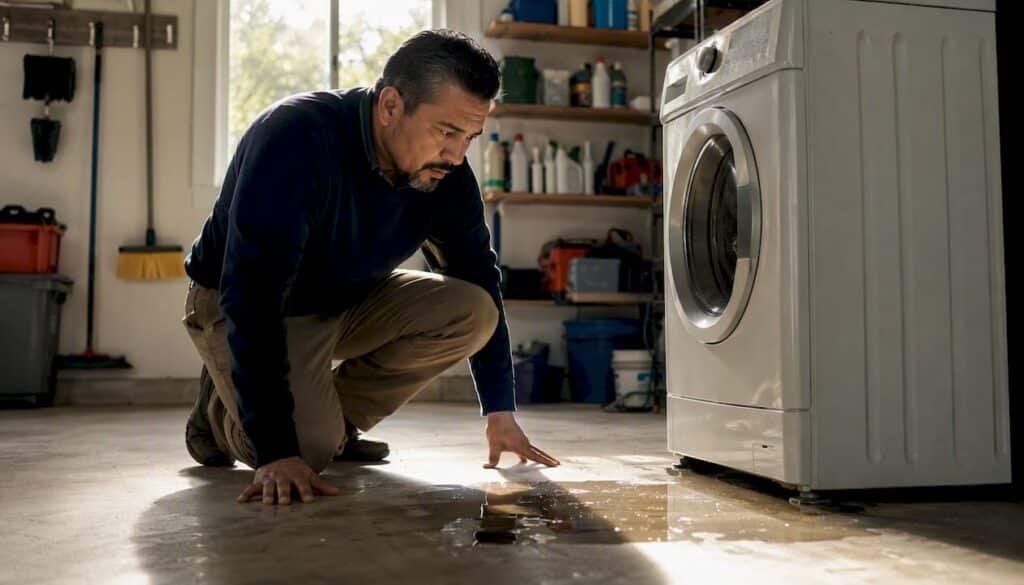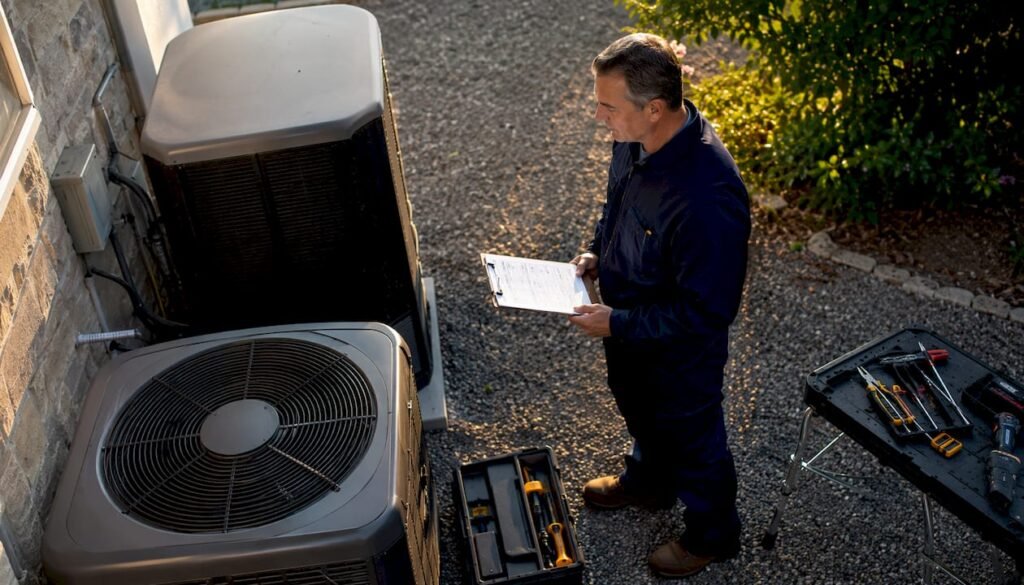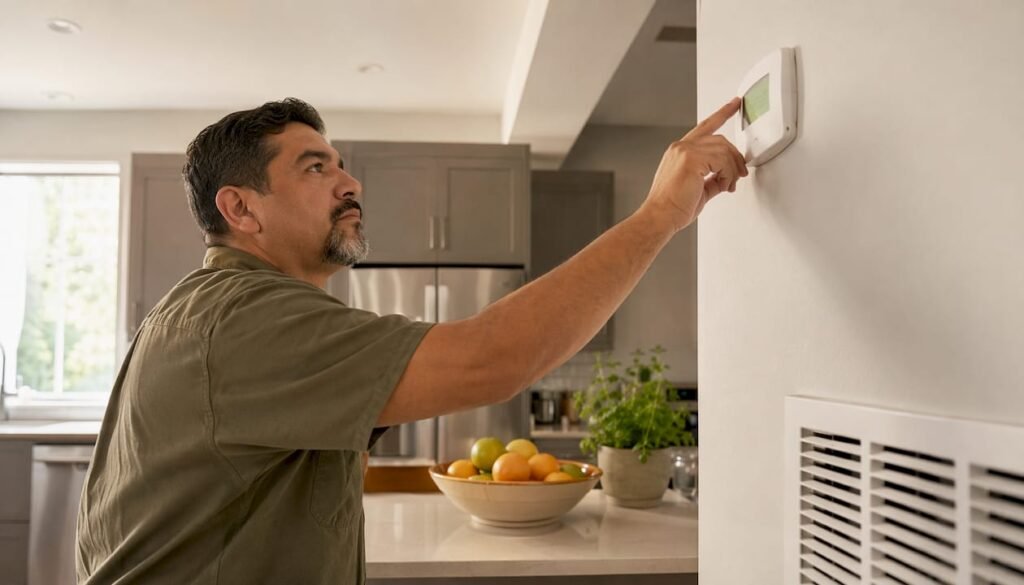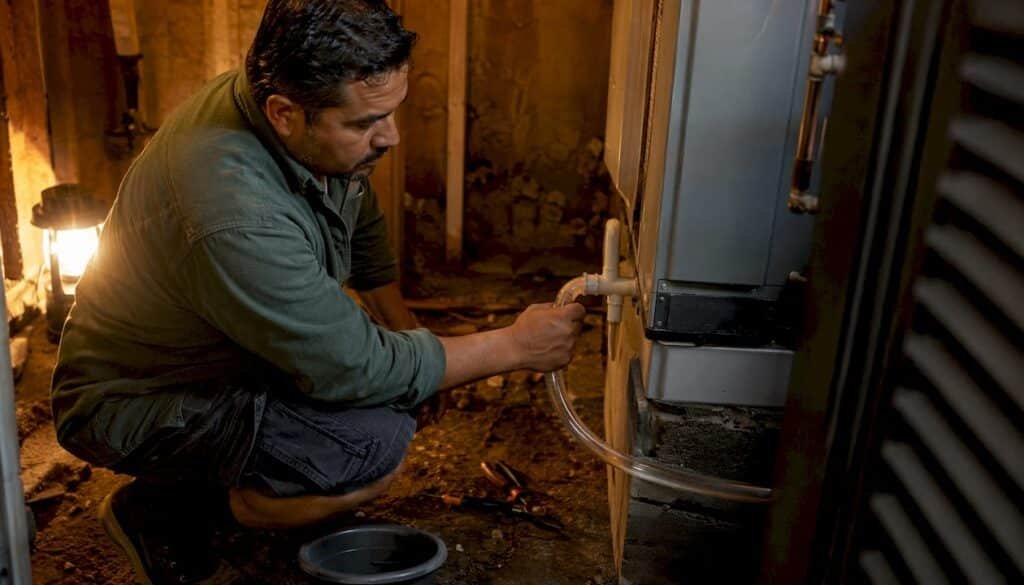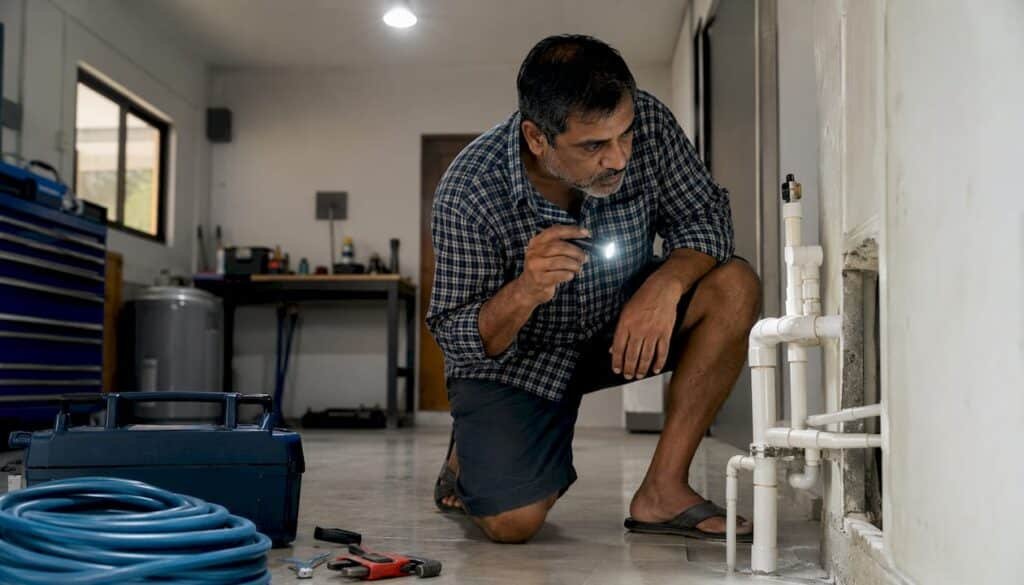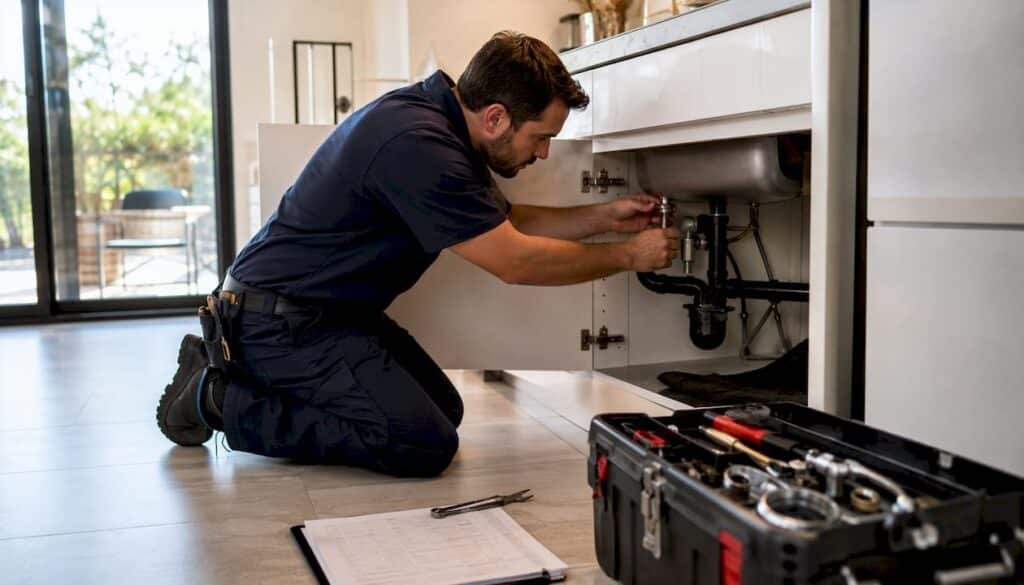
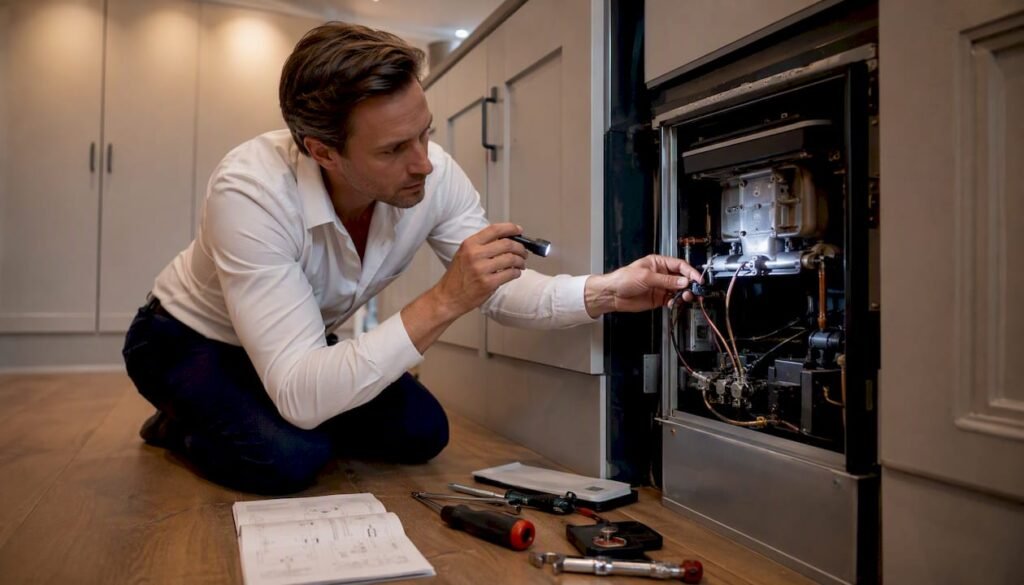
Best 3 HVAC Installers in Orange County 2026
Compare the best HVAC installers in Orange County. Check out our top 3 recommendations for reliable installation services.
Best 3 HVAC Installers in Orange County 2026 Read More »
Your blog category
Compare the best HVAC installers in Orange County. Check out our top 3 recommendations for reliable installation services.
Best 3 HVAC Installers in Orange County 2026 Read More »
Learn how preventative maintenance extends appliance lifespan by up to 40%, reduces repair costs, and improves home safety with this expert step-by-step guide.
Extend appliance lifespan: expert preventative maintenance guide Read More »
Learn how proper ventilation protects your health and boosts HVAC efficiency in Orange County and LA homes, with expert tips from MDTech Services.
Why Ventilation Matters: Health and Home Efficiency Guide Read More »
Learn how refrigerants work, which types suit Orange and LA County homes best, and how to spot issues early to cut energy costs and protect your cooling system.
The role of refrigerants in home cooling systems Read More »
Whynter Repair & Installation California https://www.youtube.com/watch?v=32W4RAWapFU Whynter Repair & Installation California: Professional Technical Guide Whynter has established a significant presence in the California market by specializing in portable air conditioners, dual-zone wine coolers, and high-capacity portable ice makers. Their engineering focus emphasizes space-efficiency and “Eco-Friendly” cooling, often utilizing R-134a and R-410A refrigerants in compact footprints. For residents and businesses throughout California, a Whynter unit offers premium convenience, but maintaining that performance requires a specialized understanding of L.C.D.I. power systems and dual-hose thermodynamics. This guide serves as an authoritative technical resource for diagnosing and servicing Whynter equipment to factory specifications. Engineering Standards for Portable Air Conditioning Systems A defining feature of Whynter’s portable AC units, such as the ARC series, is the dual-hose system. Unlike single-hose units that create negative air pressure, Whynter’s dual-hose design utilizes one hose for intake and one for exhaust, significantly increasing thermal exchange efficiency. A primary focus for any technician is the L.C.D.I. (Leakage-Current Detection and Interruption) power plug. This is a critical safety component; if the reset button on the plug trips frequently, it indicates an internal leakage current that must be addressed before the unit is operated. California safety protocols demand that any service involving electrical components or pressurized cooling loops be performed by a licensed professional. You can verify technical standing through the DCA. In California’s high-heat zones, ensuring at least 20″ of clearance around the air intake is essential to prevent compressor overheating and “F1” error codes related to airflow restriction. The Science of Wine Preservation and Thermal Stability Whynter dual-zone beverage centers are engineered to maintain precise internal environments (typically 40°F – 65°F). These units rely on internal fan-forced circulation and NTC thermistors to ensure temperature consistency across both zones. While nationwide platforms like Sears Home Services provide broad repair support, the specific calibration of a Whynter digital control panel requires exact sensor resistance testing. If a wine cooler fails to cool, a technician must evaluate the compressor’s start relay and the integrity of the magnetic door seal. A breach in the gasket allows California’s ambient humidity to enter, causing excessive frost on the evaporator and eventual cooling loss. Technical Failure Points and Error Codes Component/Code Technical Function Failure Symptom F1 Error Code Airflow/Filter Alert Unit stops cooling; requires filter cleaning and 10s reset P1/STOP Code Water Reservoir Full Internal tank reached capacity; requires manual draining L.C.D.I. Plug Current Leakage Protection Unit loses power; reset button on plug pops out Evaporator Fan Heat Transfer Circulation Loud humming or clicking; restricted airflow According to EPA standards, all refrigerant handling on portable and stationary cooling units must be conducted by Section 608 Technician Certification holders. This is a non-negotiable safety requirement for any California business to ensure refrigerants are not vented during repair. Diagnostic Procedures for Whynter Portable Ice Makers Whynter ice makers, such as the IMC series, are prized for their 49lb+ daily capacity. If a unit stops producing ice, the technician must check the “Water Indicator” and “Ice Full” sensors. Often, large-scale aggregators like HomeAdvisor or Thumbtack list general handymen who may miss the subtle issues like a failing water pump impeller or a misaligned ice tray micro-switch. Step 1: Verify the power supply voltage; Whynter units are sensitive to low-voltage circuits which can cause the compressor to stall. Step 2: Inspect the self-cleaning cycle logic to ensure no scale buildup is obstructing the water flow. Step 3: Test the harvest cycle timing; if the ice size selector is inconsistent, the control board likely requires recalibration. Step 4: Check the unit’s leveling; an unlevel Whynter unit can lead to water leakage and pump cavitation. For a broader perspective on the evolution of portable cooling technology, the Wikipedia page on Air Conditioning provides essential technical context on heat exchange principles. Component Integrity and Supply Chain Authority The reliability of a Whynter repair is intrinsically linked to the quality of the parts installed. While you can find basic accessories like window kits or hoses at retailers like The Home Depot, Lowe’s, Target, and Best Buy, critical mechanical parts such as compressors, control PCBs, and L.C.D.I. cords should be sourced through verified distributors like Encompass or Sears PartsDirect. Using non-OEM components in a high-voltage environment is a significant safety risk. California Compliance and Licensing Requirements In California, HVAC and appliance service is governed by strict licensing laws to protect property and public safety. At MDTECH SERVICES, we operate as a core professional developer in the repair industry, fully bonded and insured to work on both high-pressure gas and electrical systems throughout the state. Major repairs must be executed in accordance with CSLB guidelines, specifically the C-20 Specialty Contractor license for cooling systems. Choosing an unverified provider in California can lead to insurance claim denials and potential safety hazards. We adhere to the Bureau of Household Goods and Services standards to ensure every Whynter unit we service meets or exceeds state regulations. People Also Ask (Technical FAQ) Why is my Whynter AC leaking water despite the self-evaporating system? While Whynter units evaporate most condensate through the exhaust, high-humidity California regions (like coastal areas) can overwhelm the system. Ensure the unit is level; if it’s tilted, the internal tray will overflow before the “P1” safety sensor can trigger. How do I clear the F1 code on my Whynter portable air conditioner? The F1 code is a filter reminder. After cleaning the washable pre-filter and replacing any carbon filters, you must press and hold the power button for 10 seconds. A beep will indicate the logic board has reset the timer. Does a home warranty like Liberty Home Guard cover Whynter portable units? While Liberty Home Guard and similar services cover “built-in” appliances, they often exclude “portable” units. Always check your policy, as professional repair for Whynter’s high-end dual-zone wine coolers often requires out-of-pocket technical service. Professional Service Throughout California When a technical failure occurs, the speed and accuracy of the diagnosis determine the longevity of the appliance. At MDTECH SERVICES, we specialize in the unique
Wolf Repair & Installation California https://www.youtube.com/watch?v=32W4RAWapFU Wolf Repair & Installation California: Professional Technical Guide Wolf has defined the luxury kitchen landscape for decades, engineering high-performance instruments that transition commercial power into residential spaces. From their iconic red-knob gas ranges to advanced VertiFlowâ„¢ convection systems, Wolf units are built with industrial-grade components designed for ultimate culinary precision. Maintaining these appliances requires an advanced understanding of dual-stacked burner mechanics, spark-reignition logic, and high-voltage induction circuitry. This guide serves as an authoritative technical resource for diagnosing and servicing Wolf equipment to factory specifications. Engineering Standards for Dual-Stacked Sealed Burners A hallmark of Wolf engineering is the dual-stacked, sealed gas burner. This design features two tiers of flame ports: an upper tier for high-BTU searing (up to 20,000 BTU) and a lower tier for a true “simmer and melt” (as low as 300 BTU). A primary focus for any technician is the spark-reignition system. Wolf units are designed to automatically detect if a flame has been extinguished and spark immediately to relight it. If a burner clicks continuously after ignition, it often points to a “reverse polarity” issue in the electrical outlet or a fouled flame-rectification sensor. California safety protocols demand that any service involving gas manifold pressure or internal LP conversion be performed by a licensed professional. You can verify technical standing through the DCA. In California kitchens, working on high-output Wolf equipment requires strict adherence to ventilation and gas-pressure standards. While residential brands like GE Appliances are widespread, the professional-grade manifolds in Wolf units require specialized manometers to ensure the W.C. (Water Column) is tuned for maximum efficiency. The Science of VertiFlowâ„¢ Convection and Thermal Logic Wolf’s Dual VertiFlowâ„¢ convection system is a masterpiece of thermal engineering. Unlike standard fans, this system utilizes two corner-mounted fans and a curved back wall to eliminate hot spots and provide uniform heat across all racks. This architecture relies on a complex interplay between the digital oven controller and the independent fan relays. While nationwide platforms like Sears Home Services provide broad repair support, the specific calibration of a Wolf RTD (Resistance Temperature Detector) sensor—which must maintain accuracy within 1 degree—requires technical expertise. If a Wolf oven fails to reach the set temperature, the technician must diagnose whether the issue lies in the “L Series” or “M Series” communication bus or a failed “Incoloy” heating element. Technical Failure Points and Wolf Diagnostic Codes Wolf digital control systems utilize specific alphanumeric signals to alert technicians to internal sensor or communication failures. Alarm Code Engineering Meaning Technical Diagnostic Path COMM ERR Communication Error Reset power at breaker; inspect UIB-to-Relay board wiring OPN Sensor Open Circuit Check resistance of the RTD sensor (approx. 1080 Ohms at 70°F) SHT Sensor Shorted Replace the temperature probe to restore VertiFlowâ„¢ logic OC Oven Over-Temperature Inspect for stuck-closed relay or failed cooling fan Clicking Spark Module Failure Dry igniter with a hairdryer; check for clogged burner ports According to EPA guidelines and local California mechanical codes, any electrical or gas-path intervention must be handled by certified personnel. This is critical for Wolf’s high-amperage induction cooktops, which require specialized IGBT (Insulated-Gate Bipolar Transistor) diagnostics and specific 40-50 amp dedicated circuits. Diagnostic Procedures for Professional Cooking Wolf ranges and cooktops are the centerpieces of high-end kitchens. If a unit is underperforming, the technician must check for “reverse polarity” in the spark module circuit. Often, large-scale aggregators like HomeAdvisor or Thumbtack list general handymen who may miss the subtle moisture-related shorts that cause constant burner clicking. Step 1: Verify gas supply pressure; Wolf units require 5″ W.C. for Natural Gas and 10″ W.C. for LP. Step 2: Inspect the porcelain burner caps for cracks; even a hairline fracture can lead to spark “leakage” to the frame. Step 3: Test the oven’s dual-convection motors; if one fan is slower than the other, the unit will bake unevenly. Step 4: Calibrate the digital display against a NIST-certified thermocouple for 1% thermal accuracy. For a broader perspective on the evolution of luxury appliances and the history of gas cooking, the Wikipedia page on Kitchen Stoves provides essential technical context on commercial engineering evolution. Component Integrity and Supply Chain Authority The reliability of a Wolf repair is intrinsically linked to the quality of the parts installed. While you can find basic accessories at retailers like The Home Depot, Lowe’s, Target, and Best Buy, critical mechanical parts such as Wolf-specific spark modules, VertiFlowâ„¢ fans, and dual-stacked burner heads should be sourced through verified distributors like Encompass or Sears PartsDirect. Using non-OEM components in a high-heat Wolf environment is a significant safety risk and can compromise the appliance’s performance and longevity. California Compliance and Licensing Requirements In California, luxury appliance service is governed by strict licensing laws to protect property and public safety. At MDTECH SERVICES, we operate as a core professional developer in the repair industry, fully bonded and insured to work on both high-pressure gas and industrial induction systems throughout the state. Major repairs must be executed in accordance with CSLB guidelines. Choosing an unverified provider in California can lead to insurance claim denials and potential safety hazards. We adhere to the Bureau of Household Goods and Services standards to ensure every Wolf unit we service meets or exceeds state regulations. People Also Ask (Technical FAQ) Why is my Wolf burner clicking even after it is lit? This is often caused by moisture in the igniter or a dirty burner head. It can also be a polarity issue; if the outlet is not grounded correctly, the module cannot “sense” the flame, causing it to click as a safety failsafe. How do I reset my Wolf oven after a power outage? Turn off the circuit breaker for 5 minutes and then switch it back on. This resets the communication bus between the control panel and the relay board. If “COMM ERR” persists, professional service is required. Are Wolf appliances covered by home warranties like Liberty Home Guard? While Liberty Home Guard offers broad coverage, high-end brands like Wolf often require
Wolf Appliance Repair Read More »
Turbo Air Repair & Installation California https://www.youtube.com/watch?v=32W4RAWapFU Turbo Air Repair & Installation California: Professional Technical Guide Turbo Air has revolutionized the commercial refrigeration industry with its patented self-cleaning condenser technology and energy-efficient designs. From the “PRO Series” reach-ins to “Super Deluxe” glass door merchandisers, Turbo Air units are engineered with high-density polyurethane insulation and eco-friendly R290 hydrocarbon refrigerants. For businesses throughout California, maintaining a Turbo Air unit is essential for reducing energy costs and preventing compressor failure. This guide serves as an authoritative resource for diagnosing and servicing Turbo Air equipment to factory specifications. Engineering Standards and Patented Self-Cleaning Technology The hallmark of Turbo Air engineering is the Self-Cleaning Condenser (SCC) system. This patented technology utilizes a fine mesh filter to capture dust, while a rotating brush moves vertically 2–3 times per day to prevent accumulation. A primary focus for any technician is the mechanical integrity of this brush assembly. If dust is allowed to build up, the condenser cannot expel heat, leading to increased head pressure and eventual thermal overload of the compressor. California safety protocols demand that any service involving pressurized gas or internal manifold work be performed by a licensed professional. You can verify technical standing through the DCA. In California’s high-traffic environments, ensuring that the 60mm thick, high-density walls remain uncompromised is vital for thermal efficiency. While residential brands like GE Appliances are common, the industrial sophistication of Turbo Air requires a technician who understands specialized “Turbo Cooling” and “Turbo Freezer” rapid-chill logic. The Science of R290 Safety and Digital Thermal Logic Turbo Air utilizes R290 (Propane), a natural refrigerant with a GWP (Global Warming Potential) of 3. These systems are hermetically sealed and contain less than 150 grams of refrigerant. The “Turbo Cooling” function allows the unit to run at full power for a set period to rapidly pull down temperatures after a heavy loading session. While nationwide platforms like Sears Home Services provide broad repair support, the specific digital controllers on Turbo Air units—which display “HI” for temperatures above 64.4°F and “LO” for those below -49°F—require exact thermistor calibration. If a unit fails to cool, the technician must diagnose whether the “Energy Saving Fan Controller” is improperly delaying the evaporator fans. Turbo Air Digital Controller Diagnostic Codes Turbo Air units utilize an advanced LED display to alert technicians to system malfunctions. Alarm Code Engineering Meaning Technical Diagnostic Path HI High-Temperature Alarm Cabinet > 64.4°F; check condenser brush and door seals LO Low-Temperature Alarm Cabinet < -49°F; verify if compressor relay is stuck closed F1 Communication Fault Inspect wiring between the indoor and outdoor control boards F2 Ambient Sensor Fault Check resistance of the ambient thermistor (replace if open) P5 Compressor Top Overheat Verify refrigerant charge and condenser fan operation According to EPA standards, all refrigerant work must be conducted by Section 608 Technician Certification holders. This is a non-negotiable safety requirement for California operators handling R290 systems to prevent ignition hazards in the kitchen environment. Diagnostic Procedures for High-Efficiency Chilling Turbo Air units are designed for high-volume durability. If a unit stops making temperature, the technician must evaluate the self-cleaning brush path. Often, large-scale aggregators like HomeAdvisor or Thumbtack list general handymen who may miss the “fan-overheat” issues caused by the 24-hour non-stop evaporator fan cycle. Step 1: Verify power at the outlet; Turbo Air units are sensitive to voltage drops which can damage the digital inverter. Step 2: Inspect the self-cleaning condenser filter; ensure the brush is not obstructed by debris. Step 3: Test the “Turbo Cooling” button; if the unit fails to ramp up, the control board’s power relay likely needs replacement. Step 4: Check the high-density insulation; any puncture in the 60mm wall can cause localized condensation and thermal loss. For a broader perspective on energy-efficient cooling and safety standards, the Wikipedia page on Refrigeration provides essential technical context. Component Integrity and Supply Chain Authority The reliability of a Turbo Air repair is intrinsically linked to the quality of the parts installed. While you can find basic accessories at retailers like The Home Depot, Lowe’s, Target, and Best Buy, critical mechanical parts such as Turbo Air compressors, SCC brush motors, and digital logic boards should be sourced through verified distributors like Encompass or Sears PartsDirect. Using non-OEM components can void the manufacturer’s 7-year compressor warranty. California Compliance and Licensing Requirements In California, commercial appliance service is governed by strict licensing laws. At MDTECH SERVICES, we operate as a core professional developer in the repair industry, fully bonded and insured to work on both high-pressure gas and industrial electrical systems throughout the state. Major repairs must be executed in accordance with CSLB guidelines. Choosing an unverified provider in California can lead to insurance claim denials and potential safety hazards. We adhere to the Bureau of Household Goods and Services standards to ensure every Turbo Air unit we service meets the 5-year parts and labor warranty requirements as of June 1, 2023. People Also Ask (Technical FAQ) Why is my Turbo Air unit beeping and showing “HI”? The “HI” code indicates the internal temperature has exceeded 64°F. This is a failsafe to protect your inventory. In California’s hot climate, this is frequently caused by a dirty SCC filter or a door gasket that has lost its magnetic seal. How do I manually trigger the self-cleaning condenser brush? While the system is automated, you can often trigger a manual cycle through the “Manual Defrost” or “Turbo” button combinations on the digital controller to ensure the brush is moving freely. Are Turbo Air refrigerators covered by home warranties like Liberty Home Guard? Turbo Air is a commercial brand. Most warranties from Liberty Home Guard exclude commercial equipment. However, Turbo Air offers its own extensive protection, including an additional 2 years on compressors for specific E-line models. Professional Service Throughout California When a technical failure occurs, the speed and accuracy of the diagnosis determine the survival of your inventory. At MDTECH SERVICES, we specialize in the unique engineering of Turbo Air products. We serve the
Thor Kitchen Repair & Installation California https://www.youtube.com/watch?v=32W4RAWapFU Thor Kitchen Repair & Installation California: Professional Technical Guide Thor Kitchen has disrupted the luxury appliance market by offering professional-grade performance—stainless steel construction, high-BTU burners, and luxury aesthetics—at a mass-market price point. From their HRG gas ranges to the HWC wine coolers, Thor units are engineered for high-duty cycles. However, maintaining these machines requires an advanced understanding of spark ignition modules, thermostat resistance, and high-voltage convection logic. This guide serves as an authoritative technical resource for diagnosing and servicing Thor Kitchen equipment to original factory specifications. Engineering Standards for Professional Gas Ranges A defining feature of Thor Kitchen engineering is the use of high-output Italian-made burners and robust gas manifolds. The HRG series ranges typically feature a mix of 18,000 BTU burners for searing and 650 BTU simmer burners. A primary focus for any technician is the ignition system, which utilizes a multi-point spark module. If a burner clicks but fails to ignite, the issue often stems from a “surface-to-igniter” gap variance or a contaminated orifice that disrupts the gas flow path. California safety protocols demand that any service involving gas manifold pressure or internal LP conversion be performed by a licensed professional. You can verify technical standing through the DCA. In California kitchens, working on high-BTU equipment requires strict adherence to ventilation codes and gas-pressure tuning. While residential brands like GE Appliances are common, the semi-commercial nature of Thor Kitchen requires a technician who understands specialized “Manifold Pressure” adjustments for Water Column (W.C.) accuracy. The Science of Convection and Control Board Logic Thor Kitchen’s electric and dual-fuel ovens utilize a high-capacity convection fan and a “Dual-Heating” element system. The technical integrity of these units relies on the main PCB (Printed Circuit Board) managing the relay switches for the bake and broil elements. While nationwide platforms like Sears Home Services provide broad repair support, the specific calibration of a Thor NTC (Negative Temperature Coefficient) sensor—typically measuring approximately 1080 Ohms at room temperature—requires technical expertise. If an oven overshoots its target temperature, the technician must check for “welded” closed relays on the main board or a drifted resistance value in the thermal probe. Technical Failure Points and Diagnostic Logic Thor Kitchen units use solid-state electronics that may exhibit specific behavior during component failure. Component Technical Function Failure Symptom Ignition Module Provides spark to burner heads Continuous clicking or no spark across all burners Oven Sensor Monitors cavity temperature Oven overshoots set temp or shows “Error” code Cooling Fan Protects knobs and electronics Knobs feel excessively hot; thermal cutoff trips Door Latch Safety lock for self-clean mode Door stuck in locked position or “Lock” light flashes According to EPA guidelines and California mechanical codes, any electrical or gas-path intervention must be handled by certified personnel. This is critical for Thor’s high-amperage 30″ and 36″ professional ranges, which require dedicated 40-50 amp circuits and industrial-grade grounding to prevent PCB damage. Diagnostic Procedures for Professional Chilling Thor Kitchen refrigerators and wine coolers are engineered for thermal stability. If a unit stops cooling, the technician must perform a systematic check of the compressor’s start relay. Often, large-scale aggregators like HomeAdvisor or Thumbtack list general handymen who may miss the subtle “logic-drift” in the digital thermostat that causes the compressor to stall. Step 1: Verify power supply; Thor electronics are sensitive to voltage sags below 108V. Step 2: Inspect the burner ports; even a single clogged hole near the igniter will prevent flame rectification. Step 3: Test the oven igniter amperage; for gas ovens, the igniter must pull at least 3.2 amps to open the safety valve. Step 4: Calibrate the digital display against a NIST-certified thermocouple for 1% thermal accuracy. For a broader perspective on the evolution of professional ranges and the history of gas cooking, the Wikipedia page on Kitchen Stoves provides essential technical context on commercial engineering evolution. Component Integrity and Supply Chain Authority The reliability of a Thor Kitchen repair is intrinsically linked to the quality of the parts installed. While you can find basic accessories at retailers like The Home Depot, Lowe’s, Target, and Best Buy, critical mechanical parts such as Thor-specific spark modules, thermostats, and heavy-duty gas valves should be sourced through verified distributors like Encompass or Sears PartsDirect. Using non-OEM parts in a high-BTU environment is a significant safety risk. California Compliance and Licensing Requirements In California, high-performance appliance service is governed by strict licensing laws to protect property and public safety. At MDTECH SERVICES, we operate as a core professional developer in the repair industry, fully bonded and insured to work on both high-pressure gas and dual-fuel electrical systems throughout the state. Major repairs must be executed in accordance with CSLB guidelines. Choosing an unverified provider in California can lead to insurance claim denials and potential safety hazards. We adhere to the Bureau of Household Goods and Services standards to ensure every Thor Kitchen unit we service meets or exceeds state regulations. People Also Ask (Technical FAQ) Why is my Thor range making a clicking noise even when the burner is lit? This is often caused by a dirty burner head or a failing flame-rectification sensor. If the igniter doesn’t detect the flame, it continues to spark as a safety failsafe. Cleaning the igniter with a dry toothbrush often resolves this in high-humidity California regions. How do I reset my Thor Kitchen oven after a power spike? Turn off the circuit breaker for 10 minutes to allow the capacitors on the main PCB to discharge. If the display remains unresponsive after power-up, the internal thermal fuse may have tripped. Are Thor appliances covered by home warranties like Liberty Home Guard? While Liberty Home Guard and similar services cover many brands, they often require specialized technicians for pro-style brands like Thor Kitchen due to the semi-commercial manifold designs and high-BTU configurations. Professional Service Throughout California When a technical failure occurs in your kitchen, the speed and accuracy of the diagnosis determine the longevity of the appliance. At MDTECH SERVICES, we specialize
Splendide Repair & Installation California https://www.youtube.com/watch?v=32W4RAWapFU Splendide Repair & Installation California: Professional Technical Guide Splendide, a brand of Westland Sales, has been the “Gold Standard” for mobile laundry since 1984. Engineered for the unique rigors of RVs and yachts, these machines feature heavy-duty shock absorbers, reinforced suspension springs, and specialized “Impulse Spin” technology. Whether it is the all-in-one WD2100XC combo or the WFL1300XD stackable washer, Splendide units are precision instruments that require a technician familiar with minimal installation clearances and marine-grade electrical standards. This guide serves as an authoritative resource for diagnosing and servicing Splendide equipment to factory specifications. Engineering Standards for Mobile Laundry Systems A defining feature of Splendide engineering is the Automatic Balance System (ABS). Unlike residential washers, Splendide units must manage high-speed spins (up to 1200 RPM) while mounted on mobile platforms. The ABS logic monitors motor torque and vibration; if an imbalance is detected, it utilizes specialized drum movements to redistribute the load. A primary focus for any technician is the condition of the Transit Screws. These must be removed upon installation to prevent chassis damage, yet many mobile users fail to reinstall them before road travel, leading to suspension fatigue. California safety protocols demand that any service involving electrical logic or water management be performed by a licensed professional. You can verify technical standing through the DCA. In California’s RV parks and marinas, working on these units requires strict adherence to cULus approval for minimal install clearances, often as tight as 0″ on the sides and back. The Science of Vented vs. Ventless Drying Logic Splendide offers both Vented and Ventless (Condensation) drying options. Vented models utilize a high-output blower to exhaust moisture externally, while Ventless models use a dual-rotating drum and a specialized cold-water condenser to liquefy moisture from the air. While nationwide platforms like Sears Home Services provide broad repair support, the specific calibration of a Splendide NTC (Temperature Sensor)—which regulates the “Cool Down” feature to prevent wrinkles—requires technical expertise. If a unit fails to dry, the technician must diagnose whether the issue is a clogged internal lint duct or a failed ECOL (Over-temperature Thermostat), which often trips if the exhaust vent is restricted. Splendide Electronic Fault Codes (Status LED Logic) Splendide units communicate failures via the “Status/Door Lock” LED. When a fault occurs, the Program Selector will spin continuously while the LED flashes in a specific sequence. Fault Code Engineering Meaning Technical Diagnostic Path F01 Motor Triac Short Check Module Board connections and drum for freedom of movement F03 NTC Sensor Fault Measure resistance of the thermistor; replace if open or shorted F05 Water Drainage Fault Check drain pump, Large Item Filter, and hoses for blockages F08 Heater Fault Test heating element continuity; inspect heater relay on board F11 Comm Error Verify wiring harness between control board and peripheral sensors F15 Overheat Fault Inspect the thermal cut-off and verify blower fan rotation According to EPA guidelines and California mechanical codes, any electrical or water-path intervention must be handled by certified personnel. This is critical for Splendide’s 120V mobile models, which draw up to 12.5 Amps and require high-integrity grounding to prevent cabinet-to-ground stray voltage in marine environments. Diagnostic Procedures for RV and Marine Maintenance Splendide units are built for durability on the road, but vibration-induced failures can occur. If a unit stops mid-cycle, the technician must evaluate the Door Lock Solenoid. Often, large-scale aggregators like HomeAdvisor or Thumbtack list general handymen who may miss the “Winterization” requirements—failing to clear the water valves of moisture before storage can lead to cracked valve bodies in colder California regions. Step 1: Verify power supply; Splendide electronics are sensitive to the “dirty” power often found in RV parks. Step 2: Inspect the “Large Item Filter”; accessible via the front kick-plate, this filter captures debris that can stall the drain pump. Step 3: Test the Fan Motor; if testing a combo unit without a load, the fan must rotate freely to prevent “ECOL” tripping. Step 4: Check the “SecureFit” brackets; these keep the leveling feet in place during travel to prevent unit migration. For a broader perspective on the history of space-saving appliances and marine engineering, the Wikipedia page on Combo Washer Dryers provides essential technical context. Component Integrity and Supply Chain Authority The reliability of a Splendide repair is intrinsically linked to the quality of the parts installed. While you can find basic accessories at retailers like The Home Depot, Lowe’s, Target, or Best Buy, critical mechanical parts such as Splendide-specific drain pumps, control modules, and drive belts should be sourced through verified distributors like Guaranteed Parts or Camping World. Using non-OEM components in a mobile environment is a significant safety risk and can lead to water leaks during travel. California Compliance and Licensing Requirements In California, specialized appliance service for RVs and boats is governed by strict licensing laws to protect property and public safety. At MDTECH SERVICES, we operate as a core professional developer in the repair industry, fully bonded and insured to work on both 120V electrical and water-management systems throughout the state. Major repairs must be executed in accordance with CSLB guidelines. Choosing an unverified provider in California can lead to insurance claim denials and potential safety hazards. We adhere to the Bureau of Household Goods and Services standards to ensure every Splendide unit we service meets or exceeds state regulations for mobile installations. People Also Ask (Technical FAQ) Why does my Splendide cycle selector knob keep spinning around? This indicates the machine has entered “Fault Mode.” Count the number of flashes from the “Status/Door Lock” LED between pauses to identify the specific error code (e.g., 3 flashes = F03). How do I winterize my Splendide washer for California’s mountain regions? You must add RV-safe antifreeze to the drum and run a “Rinse/Spin” cycle for 1 minute, followed by a “Drain” cycle. This ensures the water pump and inlet valves are protected from freezing. Are Splendide units covered by home warranties like Liberty Home Guard? While Liberty Home Guard offers
Migali Repair & Installation California https://www.youtube.com/watch?v=32W4RAWapFU Migali Repair & Installation California: Professional Technical Guide Migali Industries has been a mainstay in the American foodservice and scientific markets since 1955. From the “Competitor Series” reach-ins to specialized “Evolution Series” medical grade units, Migali equipment is engineered with heavy-duty stainless steel and high-efficiency top-mount refrigeration. For businesses throughout California, maintaining a Migali unit is essential for ensuring product safety and operational efficiency. This guide serves as an authoritative technical resource for diagnosing and servicing Migali equipment to original factory specifications. Engineering Standards and Forced-Air Cooling Logic A defining feature of Migali engineering is the robust forced-air refrigeration system, designed for uniform temperature distribution. Migali units typically feature a top-mount compressor (C-series), which prevents the unit from drawing in floor-level grease and heat. A primary focus for any technician is the air plenum across the back wall; if airflow is blocked by overstocking, the unit will struggle to maintain the NAFEM-standard 33°F to 41°F range, leading to evaporator icing. California safety protocols demand that any service involving high-voltage circuits or pressurized cooling loops be performed by a licensed professional. You can verify technical standing through the DCA. In California’s high-traffic kitchens, ensuring that a Migali unit has at least 4″ of clearance on the back is a critical requirement to prevent “thermal-choking.” While residential brands like GE Appliances are widespread, the commercial complexity of Migali requires a technician who understands specialized “Automatic Defrost” timing. The Science of R290 Sustainability and Safety Migali has fully embraced sustainability by utilizing R290 (Hydrocarbon) refrigerant across its modern lineup. R290 is a natural, non-toxic gas that yields up to 40% in energy savings compared to legacy refrigerants. However, because it is flammable, service must be performed under strict safety guidelines. While nationwide platforms like Sears Home Services provide broad repair support, the specific digital controllers on Migali units—often featuring high/low temperature alarms and keyboard locks—require exact thermistor calibration. According to EPA standards, all refrigerant work must be conducted by Section 608 Technician Certification holders to ensure safety in the kitchen environment. Migali Digital Controller Diagnostic Codes Migali units utilize advanced digital controllers (typically Dixell or similar logic) to alert technicians to system malfunctions. Alarm Code Engineering Meaning Technical Diagnostic Path P1 Room Probe Failure Inspect cabinet thermistor; verify wiring at the controller P2 Evaporator Probe Failure Defrost will become timed; check sensor resistance HA Maximum Temperature Alarm Check for dirty condenser, door ajar, or fan motor failure LA Minimum Temperature Alarm Verify if compressor relay is stuck closed; check set-point dA Door Open Warning Triggered after delay; inspect door switch and gasket seal Diagnostic Procedures for High-Volume Chilling Migali units are built for a lifetime of service, but environmental factors can impede performance. If a unit stops cooling, the technician must perform a systematic check. Often, large-scale aggregators like HomeAdvisor or Thumbtack list general handymen who may miss the subtle “drain-tube blockage” issues that lead to water pooling inside the cabinet. Step 1: Verify power supply; after moving a Migali unit, allow it to sit for 30 minutes before switching on to let oil settle. Step 2: Inspect the door gaskets; ensure they are snapped in completely and washed with mild soap to maintain the magnetic seal. Step 3: Clean the condenser; Migali recommends a monthly cleaning with a brush or cloth to prevent head-pressure spikes. Step 4: Test the manual defrost; hold the defrost key for 2 seconds to force a cycle and check if the “Ed” (End Defrost) message appears. For a broader perspective on the evolution of commercial cooling and safety standards, the Wikipedia page on Refrigeration provides essential technical context. Component Integrity and Supply Chain Authority The reliability of a Migali repair is intrinsically linked to the quality of the parts installed. While you can find basic accessories at retailers like The Home Depot, Lowe’s, Target, and Best Buy, critical mechanical parts such as Migali-specific compressors, fan motors, and control boards should be sourced through verified distributors like Encompass or Sears PartsDirect. Using non-OEM components can compromise the unit’s Energy Star® status and void the 5-year compressor warranty. California Compliance and Licensing Requirements In California, commercial refrigeration service is governed by strict licensing laws. At MDTECH SERVICES, we operate as a core professional developer in the repair industry, fully bonded and insured to work on both high-pressure gas and industrial electrical systems throughout the state. Major repairs must be executed in accordance with CSLB guidelines. Choosing an unverified provider in California can lead to insurance claim denials and potential safety hazards. We adhere to the Bureau of Household Goods and Services standards to ensure every Migali unit we service meets the factory protection plan requirements. People Also Ask (Technical FAQ) Why is my Migali refrigerator display blinking “do”? A blinking “do” indicates a door-open alarm. This is a safety feature to prevent temperature spikes. If the door is closed, the magnetic reed switch or the door alignment likely requires professional adjustment. How do I clean the condenser on a Migali reach-in? Migali units typically have top-mounted compressors. You must disconnect power, remove the top grill, and brush the fins from top to bottom (never side to side). This should be done every 30 days in California’s dusty environments. Is Migali covered by a home warranty like Liberty Home Guard? The Migali warranty is strictly for indoor, commercial locations only. Most warranties, including those from Liberty Home Guard, will not honor claims for Migali units installed in residential or outdoor locations. Professional Service Throughout California When a technical failure occurs, the speed and accuracy of the diagnosis determine the survival of your inventory. At MDTECH SERVICES, we specialize in the unique engineering of Migali Industries products. We serve the entire California region with a deep inventory of factory-spec parts. While general networks like Mr. Appliance offer broad support, our focus is on the specific mechanical nuances of the Migali brand. For immediate assistance, visit our Google Maps Location to verify our